
LEARNING FROM THE MASTERS
BAINZ
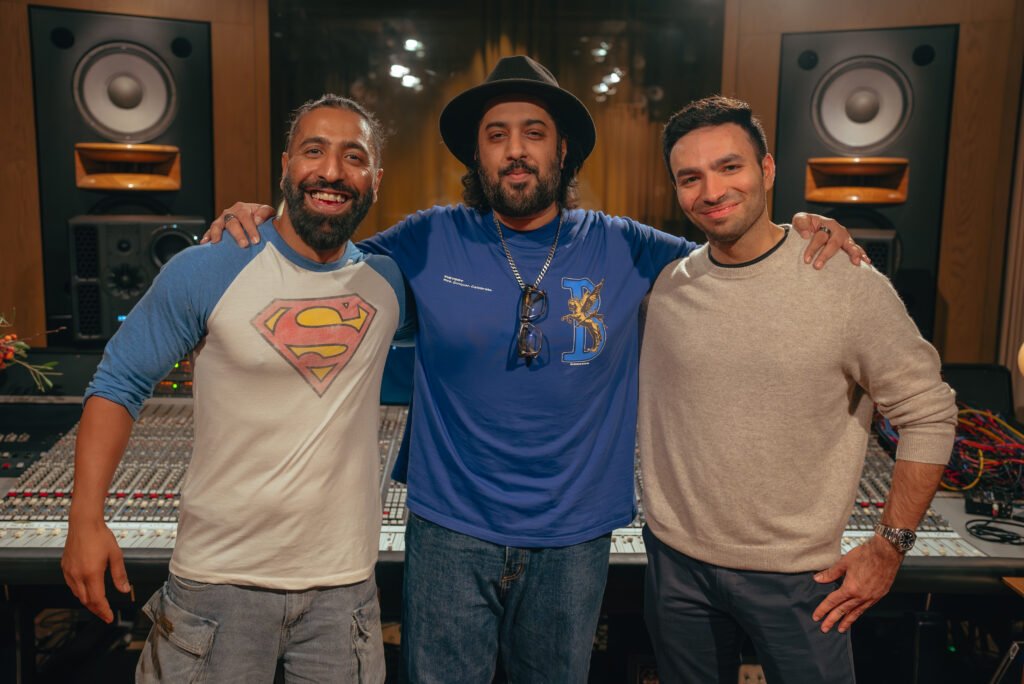
The art of mixing is not only about sound — it is about people, instinct, speed and knowing how to bring a record to life. In 2025, I had the opportunity to attend a workshop with Bainz at the renowned Rue Boyer Studios in Paris. A multi-platinum mixer and recording engineer originally from New Delhi, Bainz has built an international career at the heart of contemporary hip-hop and trap, working extensively with artists including Young Thug, Gunna, Travis Scott, Chris Brown, Future, Juice WRLD and Lil Baby. His credits include defining records such as “Hot” by Young Thug, Gunna & Travis Scott, “Go Crazy” by Chris Brown & Young Thug, “Franchise” by Travis Scott featuring Young Thug & M.I.A., and “Ski” by Young Thug & Gunna. What made the experience particularly valuable was learning beyond the technical aspects of mixing. Bainz shared his approach to working with artists, understanding their creative language, making fast decisions and maintaining the energy of a session while working under demanding deadlines. I was especially fascinated by his ability to manage the entire creative process within extremely tight turnarounds — balancing the artist’s vision, recording, production and mixing while keeping the workflow focused and efficient. The workshop gave me a deeper appreciation of something I have always believed as a producer: great engineering is as much about understanding people and music as it is about understanding sound. Being in Paris, inside a studio that has become an important meeting point for international music creators, and learning from someone who has worked at the highest level of global hip-hop was an inspiring addition to my continuing journey as a composer and producer
BEN BAPTIE
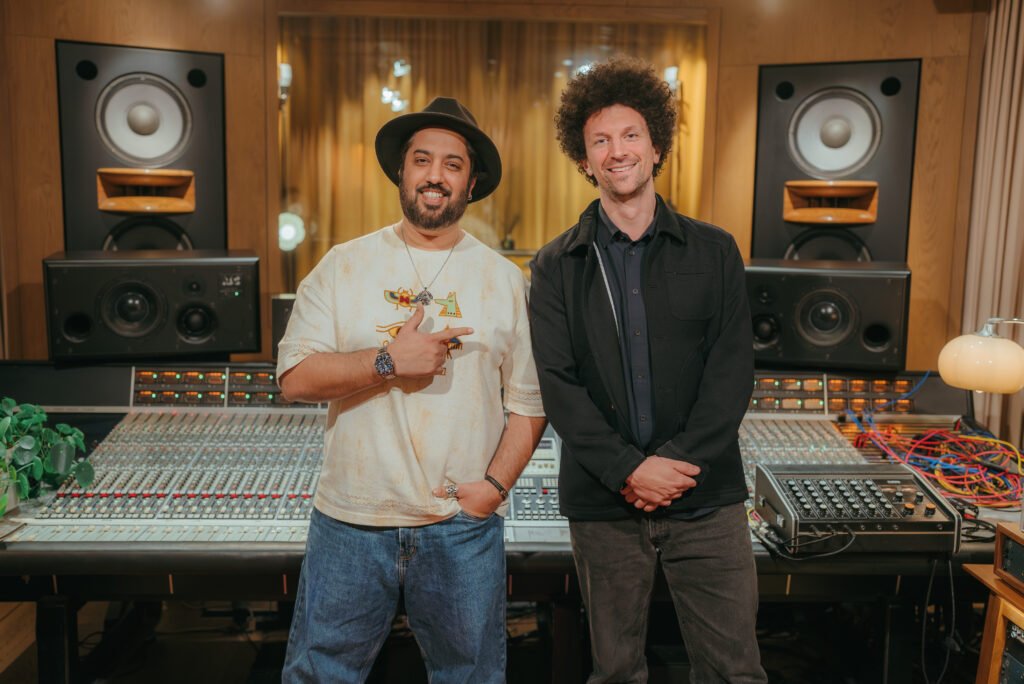
Sometimes the most creative way to mix is to step away from the screen and put your hands back on the sound. In 2026, I had the opportunity to attend a workshop with Ben Baptie at the renowned Rue Boyer Studios in Paris. A London-based mix engineer and producer, Ben has worked with artists including The Strokes, Lady Gaga, Little Simz, Moses Sumney, Rex Orange County, Michael Kiwanuka and Daughter, while also producing and engineering across a wide range of contemporary music. What I found particularly inspiring was Ben’s approach to analogue processing and creative mixing. The session was a reminder that mixing doesn’t always have to happen by staring at a screen and making decisions with a mouse. I learnt a great deal about using physical, hands-on analogue gear as part of the creative process — touching knobs, pushing faders, experimenting with signal flow and finding unusual ways to process sound. Instead of simply correcting or controlling audio, the equipment itself becomes part of the musical instrument. What stayed with me was the idea of mixing through intuition, touch and experimentation — allowing unexpected textures, movement and character to emerge from the process. For me, this was especially valuable as a composer and multi-instrumentalist. I’m naturally drawn to physical instruments and tactile interaction with sound, and Ben’s approach reinforced the idea that the best technical decisions can sometimes come from simply listening, touching and playing with the sound rather than looking at it. A beautiful learning experience in Paris — and another reminder that technology is most powerful when it brings us closer to the music, not further away from it
MANNY MARROQUIN
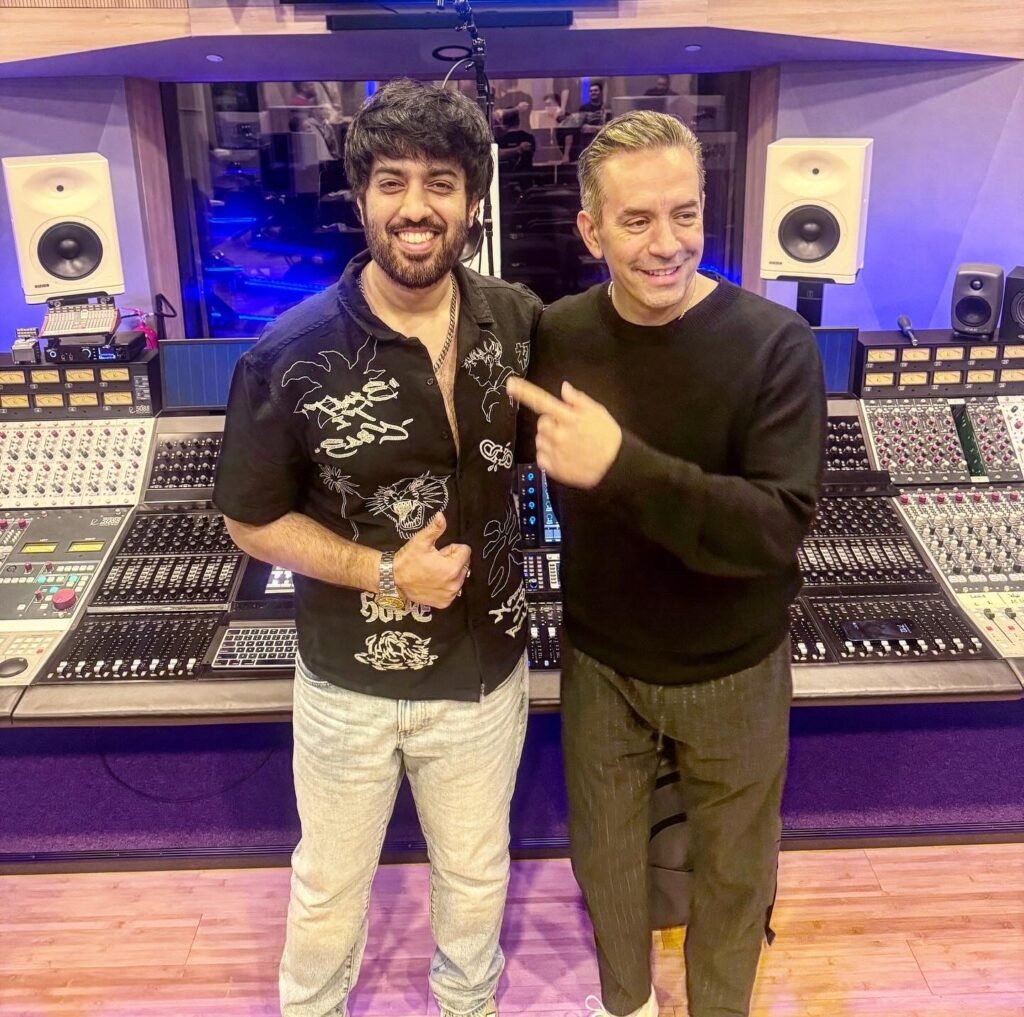
Manny Marroquin is a multiple Grammy Award-winning mixing engineer whose work spans some of the biggest names in contemporary music, from Bruno Mars, Rihanna and Alicia Keys to Kanye West, Kendrick Lamar and John Mayer. His ability to move effortlessly across genres has made him one of the most influential mixers of his generation. I had the opportunity to attend a masterclass with Manny at Firdaus Studio in Dubai, and it was one of those experiences that changed the way I think about mixing and music-making. I learnt a great deal from hearing about his experience working with artists such as John Mayer, and about the way some of the biggest records are created through a highly intuitive, instinctive and in-the-moment process. What stayed with me most was Manny’s relationship with the music. He spoke about mixing not simply as a technical exercise, but as a performance — responding to the emotion, movement and energy of a song in real time. His approach is deeply rooted in listening and feeling the music, rather than simply looking at frequencies, waveforms or meters. That idea genuinely shifted my perspective. I realised that mixing isn’t about having the latest plugins, collecting endless gear or knowing every technical trick. The tools are only tools. The real instrument is your ear, your taste, your instinct and your relationship with the music. Manny’s philosophy encouraged me to listen more like a fan of music and less like a technical person analysing a track. To enjoy the process. To move with the groove. To make decisions based on what the music is making me feel. That was perhaps my biggest takeaway from the experience — the greatest records aren’t necessarily made by using more technology; they’re made by making the right creative decisions in the moment. Leaving Firdaus Studio, I felt reminded of something fundamental: listen first, feel deeply, trust your instinct — and let the technology serve the music
ILLANGELO
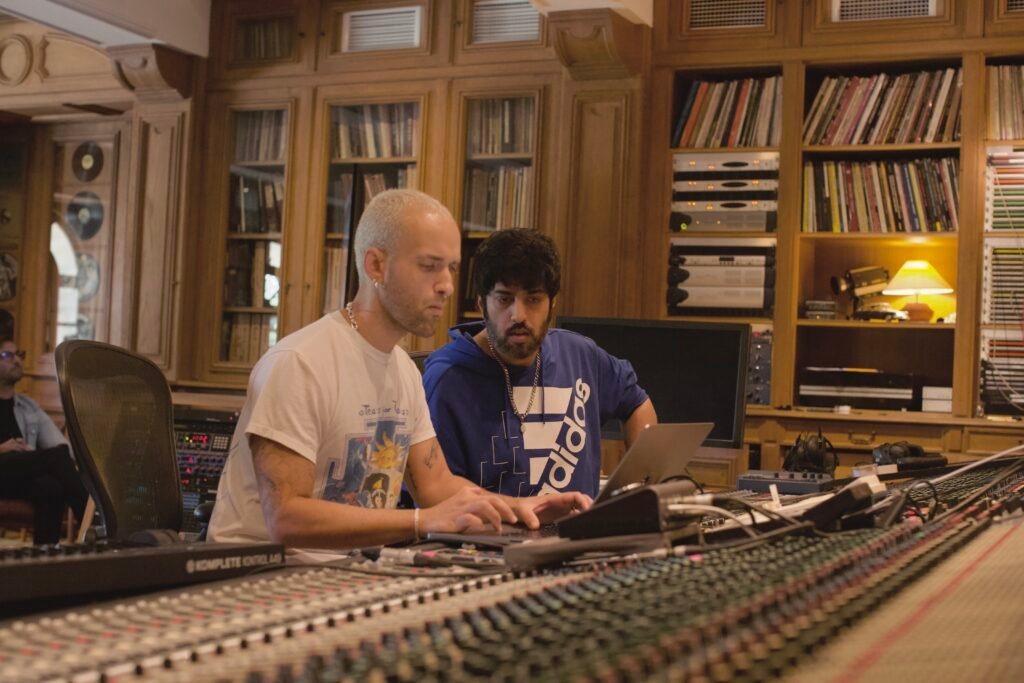
Illangelo is a multi-award-winning Canadian producer, songwriter and engineer, best known for his work with The Weeknd and for helping shape the sound of some of the most influential contemporary R&B and pop records. In 2024, I had the opportunity to attend an Illangelo masterclass at La Fabrique, an extraordinary residential recording studio in the south of France. What made this experience truly unique was that La Fabrique was not simply a place where we attended a workshop. We lived there. I stayed at the studio with Illangelo, my mentor and the rest of the group, sharing meals, conversations, listening sessions and music throughout the experience. Being immersed in that environment created a very different kind of learning — one where music continued beyond the studio sessions and became part of everyday life. Illangelo was incredibly cool, open and inspiring. I learnt so much from his approach to working with artists, dubbing and shaping performances, and making the most out of every audio signal. What fascinated me most was his fearless approach to production. He encouraged us to trust intuition rather than overthink, to write and produce instinctively, and to experiment with sound without being afraid of the outcome. A simple audio signal could become something completely unexpected through unconventional processing. Instead of asking “What is this sound supposed to be?”, the approach was more about asking “What else can this sound become?” His experience working at the highest level of international pop and R&B — including his long-standing creative work with The Weeknd — made these lessons particularly powerful. But what I remember most is not a particular technique or piece of gear. It was the creative freedom behind the technique. The experience at La Fabrique reminded me that great production is not always about having more answers. Sometimes it is about thinking less, listening more, trusting your instincts and being fearless enough to experiment. And beyond the music, living together at La Fabrique — learning, listening, sharing meals and exchanging ideas with musicians and creators from different parts of the world — was an experience unlike any other. I left the south of France with new production ideas, a renewed sense of curiosity, and a deeper belief in the power of intuition and fearless experimentation in music.
LISA BELLA DONNA
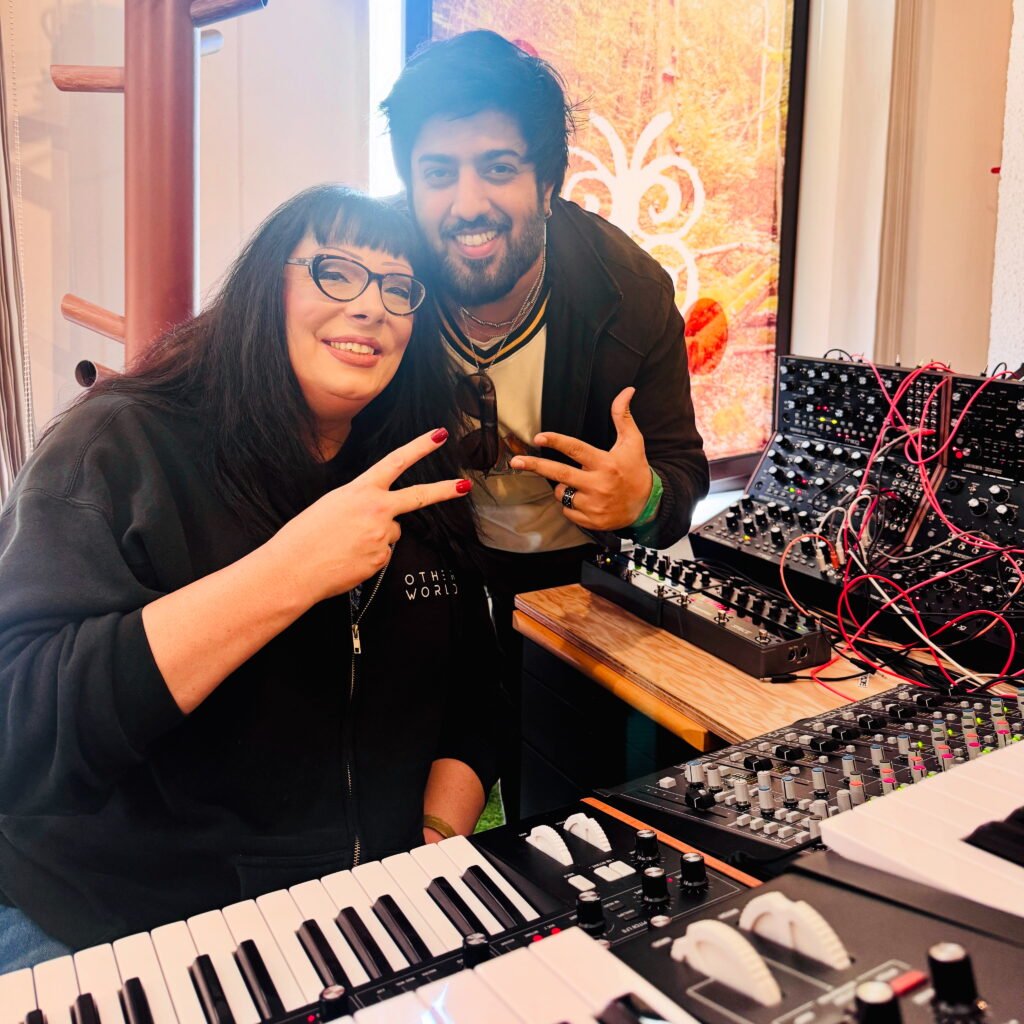
Meeting Lisa Bella Donna at Superbooth Berlin 2025 was a memorable part of my journey deeper into modular synthesis and electronic music. Known for her deeply expressive approach to modular synthesizers, Lisa has developed a unique musical language through years of exploring synthesis, improvisation and electronic sound. It was inspiring to spend time learning from her and hearing about her journey — not just the technical side of modular synthesis, but the way she approaches sound as an instrument in itself. Our conversations opened up new perspectives for me on shaping texture, movement, rhythm and atmosphere through modular systems. For me, modular synthesis has always been about curiosity and discovery rather than simply programming sounds. Meeting Lisa and experiencing her approach reinforced that idea: sometimes the most interesting music happens when you stop trying to control every outcome and allow the system, the sound and intuition to interact. It was a beautiful encounter with a fellow explorer of sound, and another step in my ongoing journey of discovering new ways to create, listen and express.
FLAMENCO WITH
MAESTRO PACO SERRANO (SPAIN)
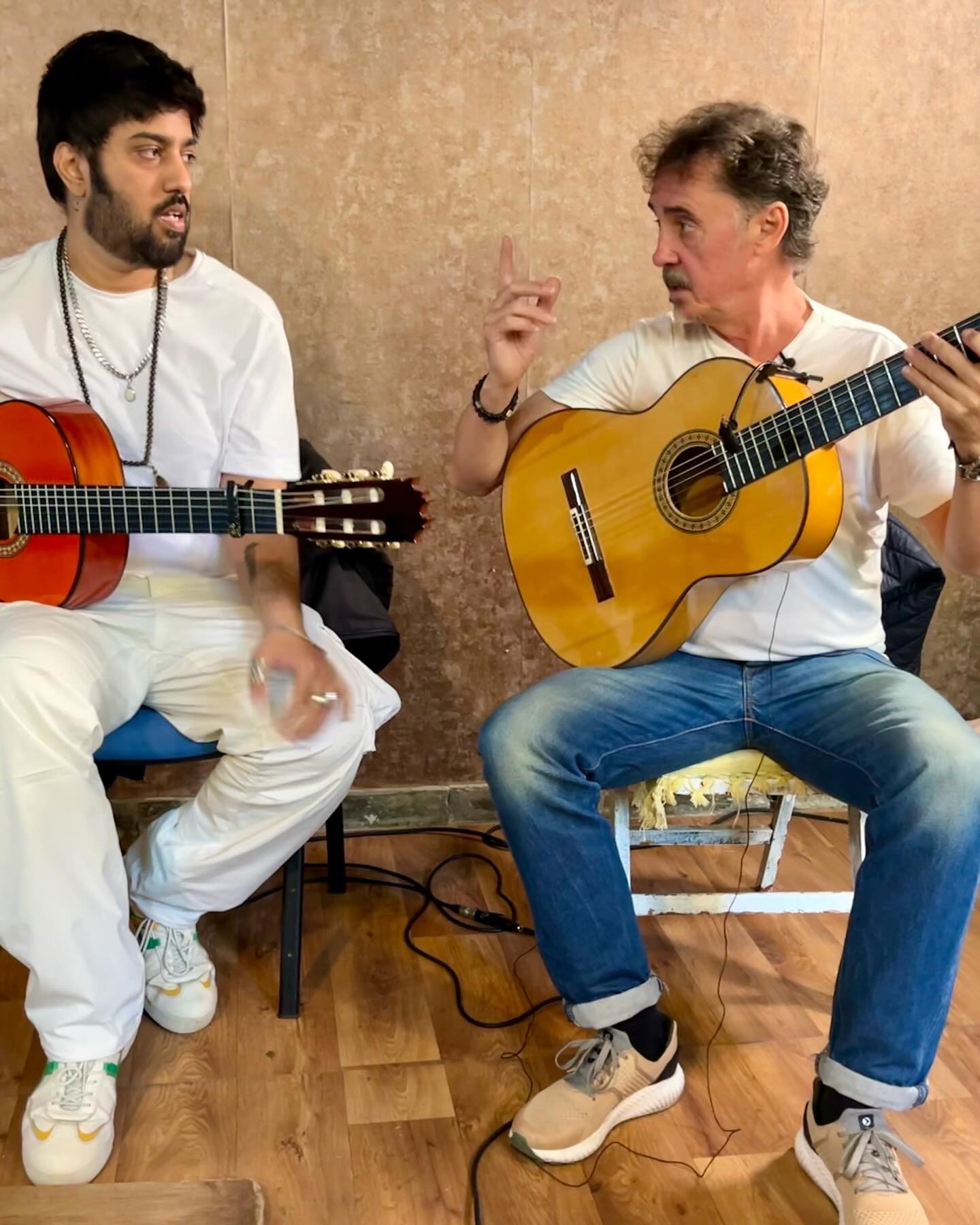
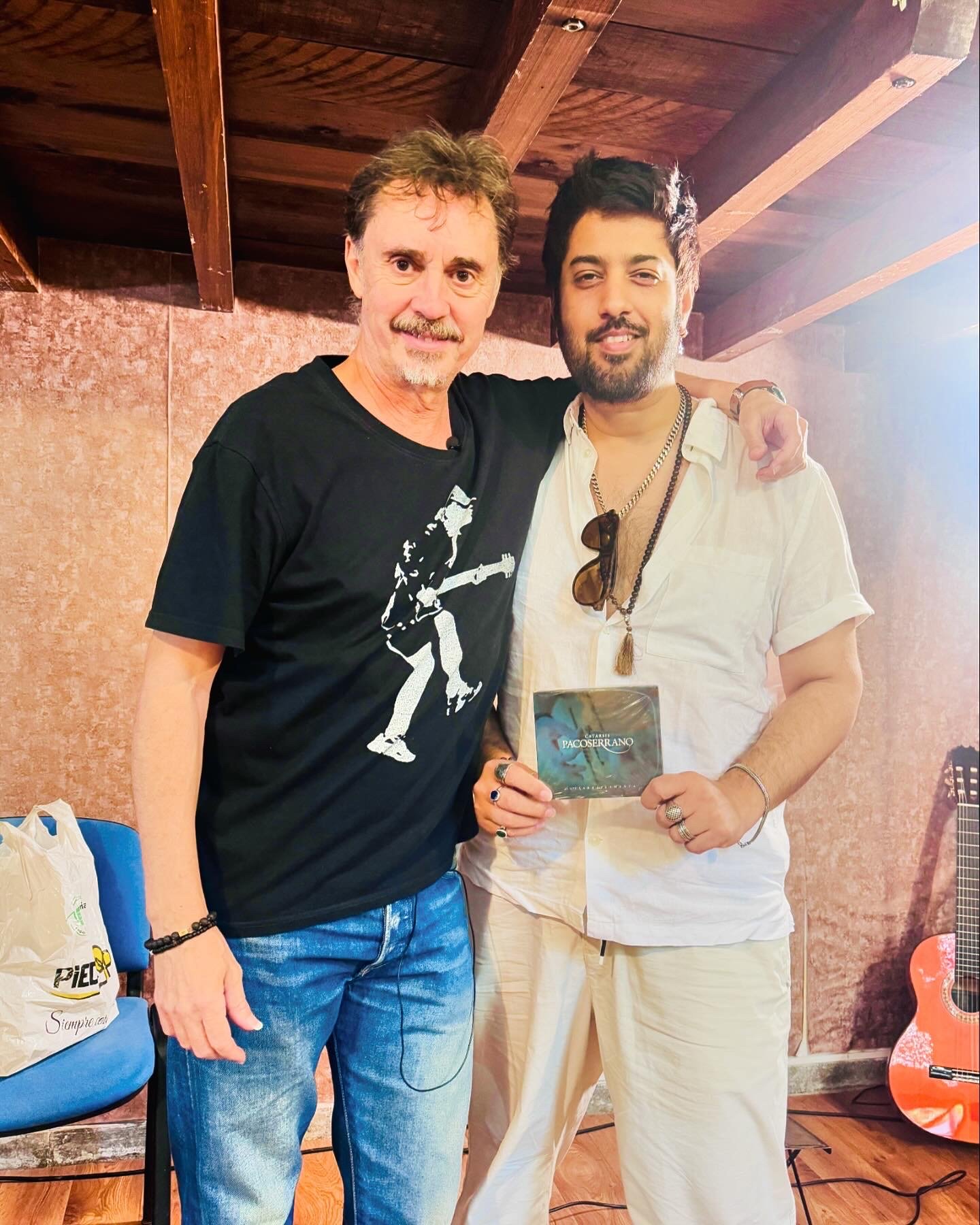
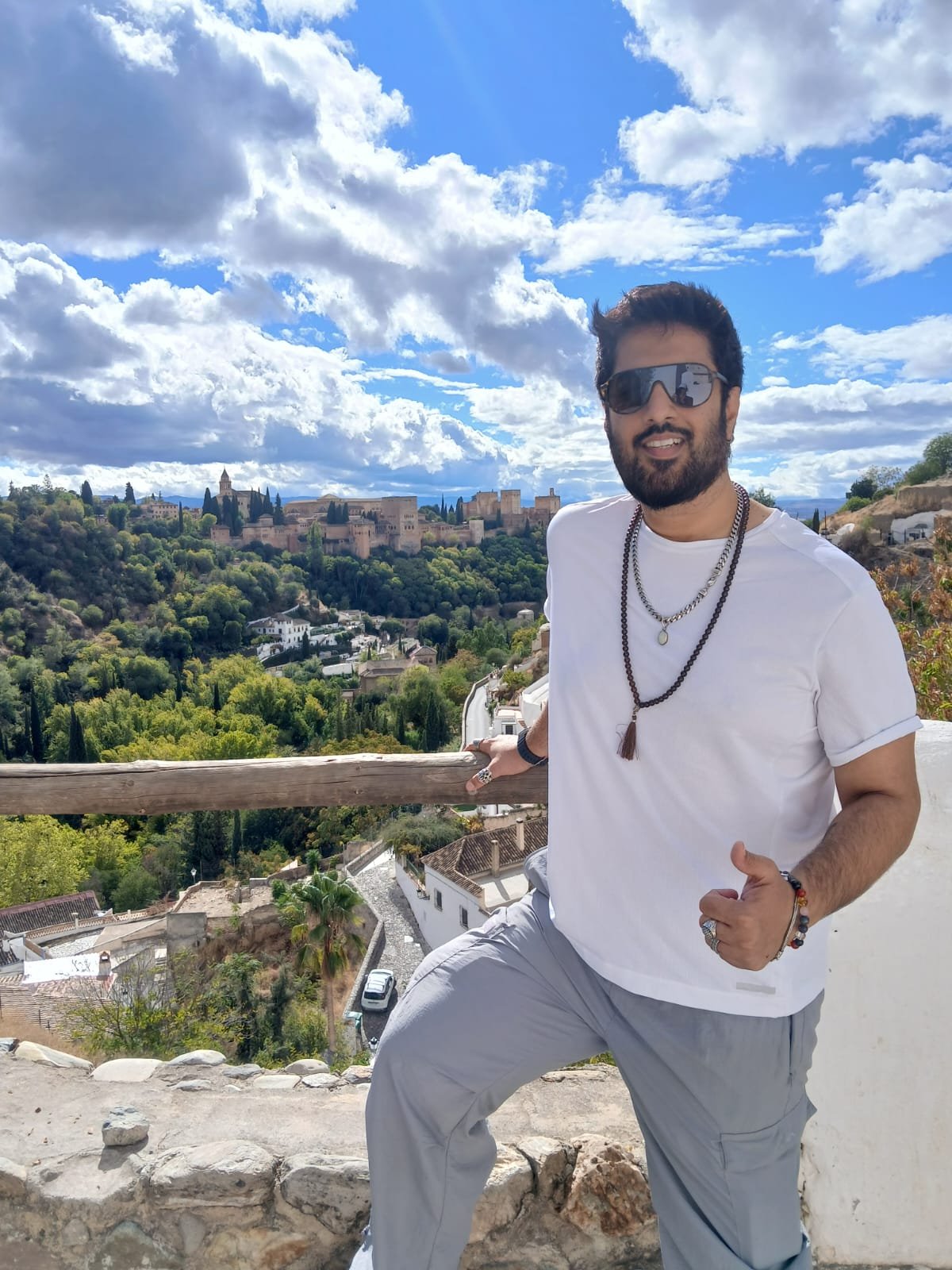
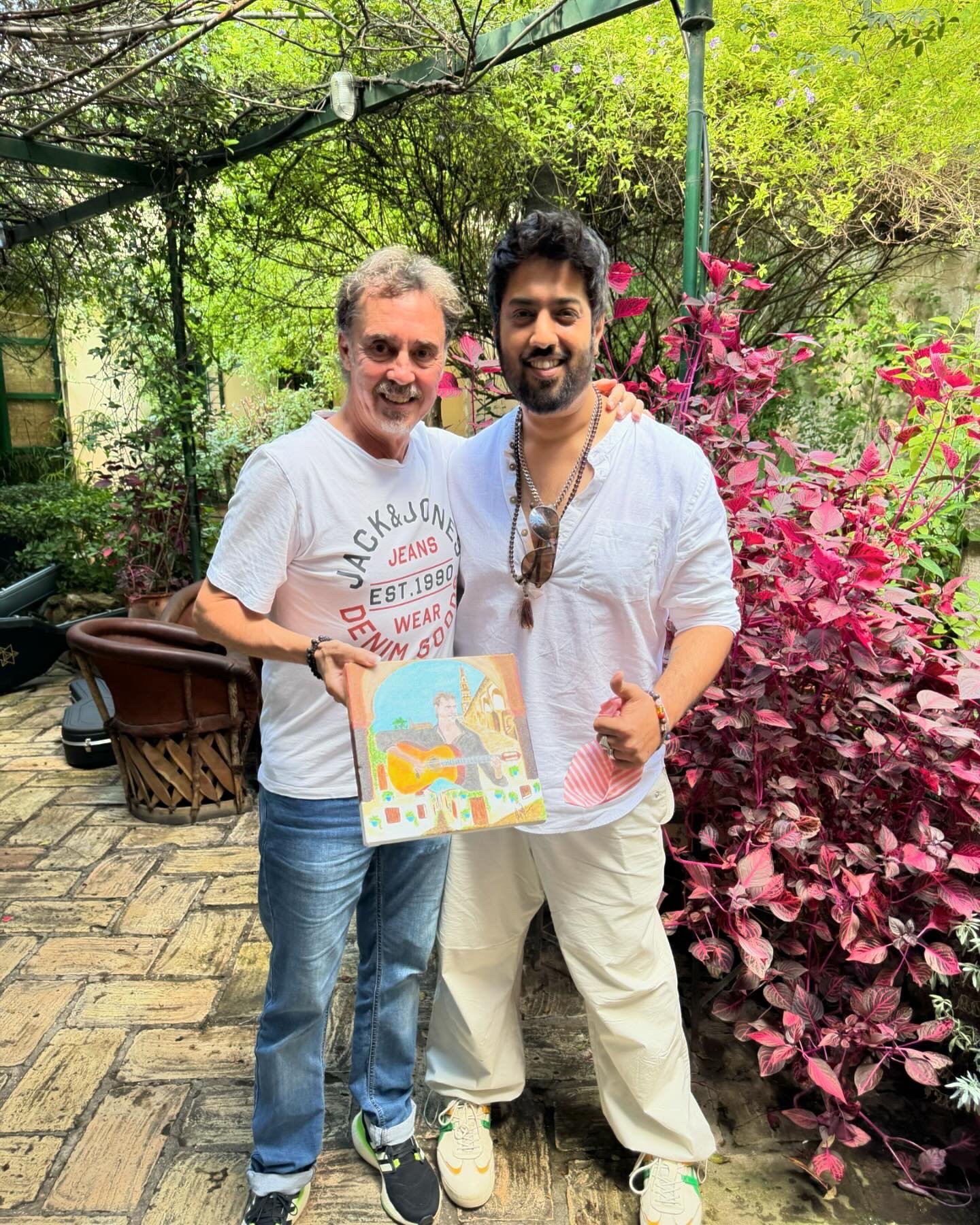
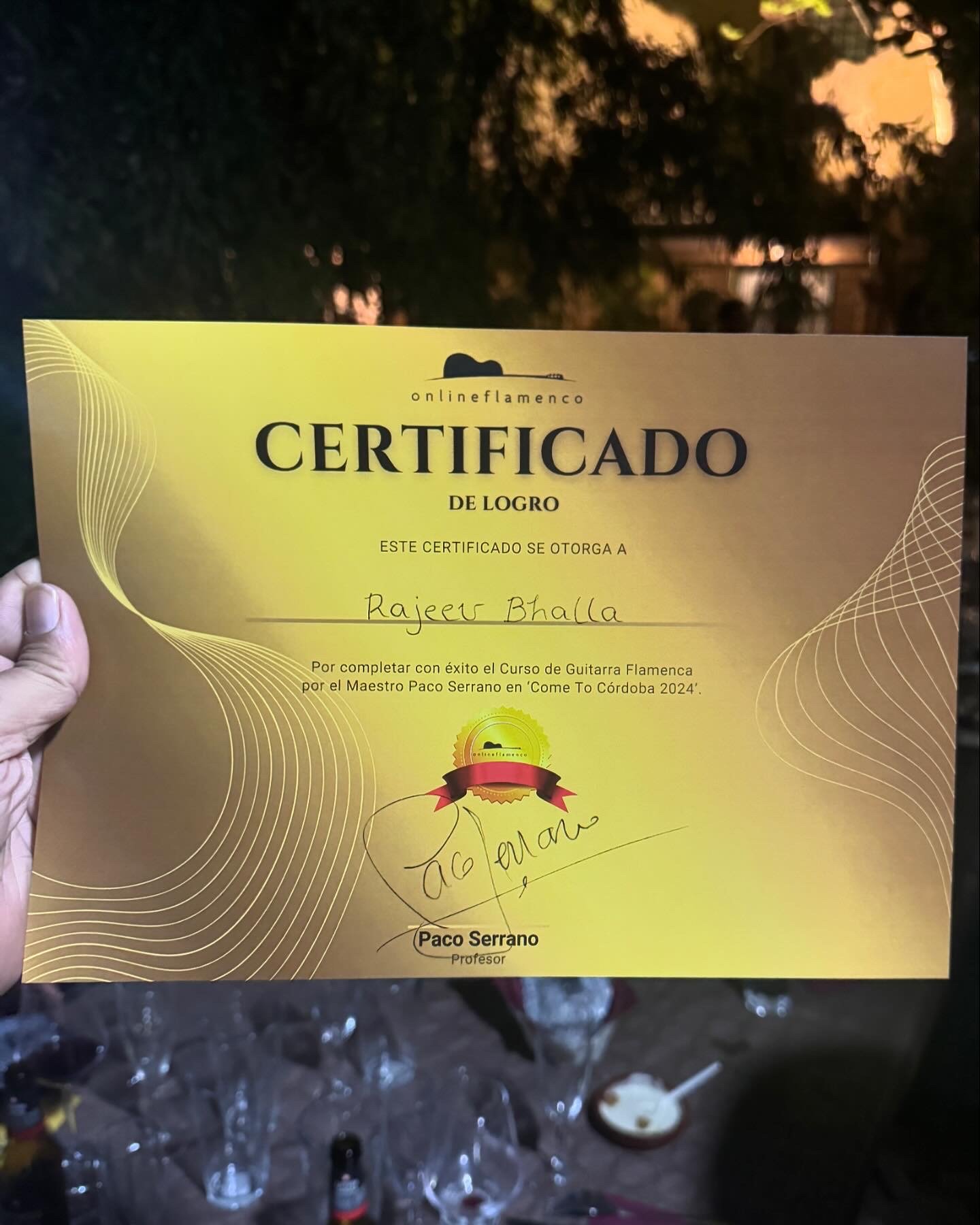
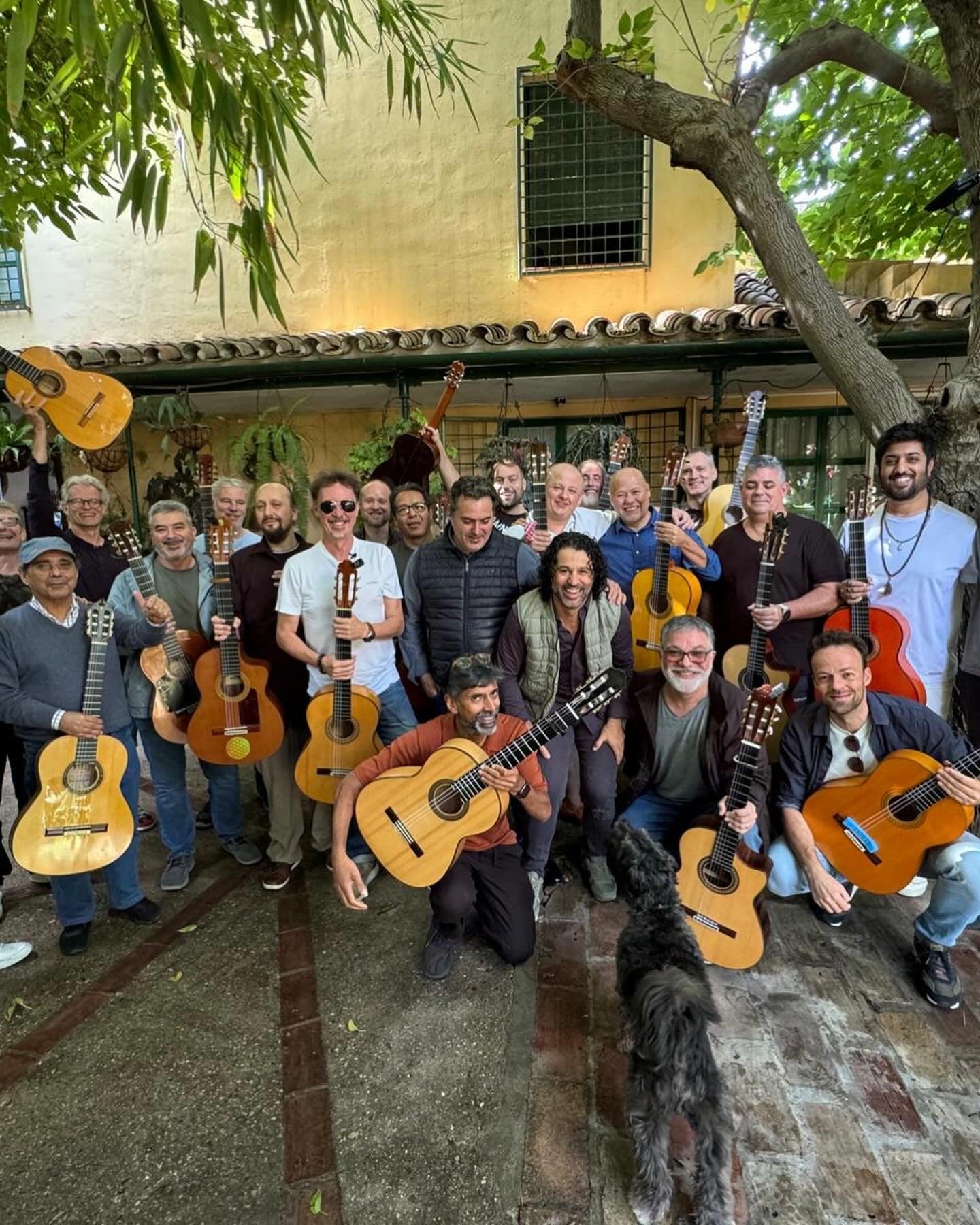
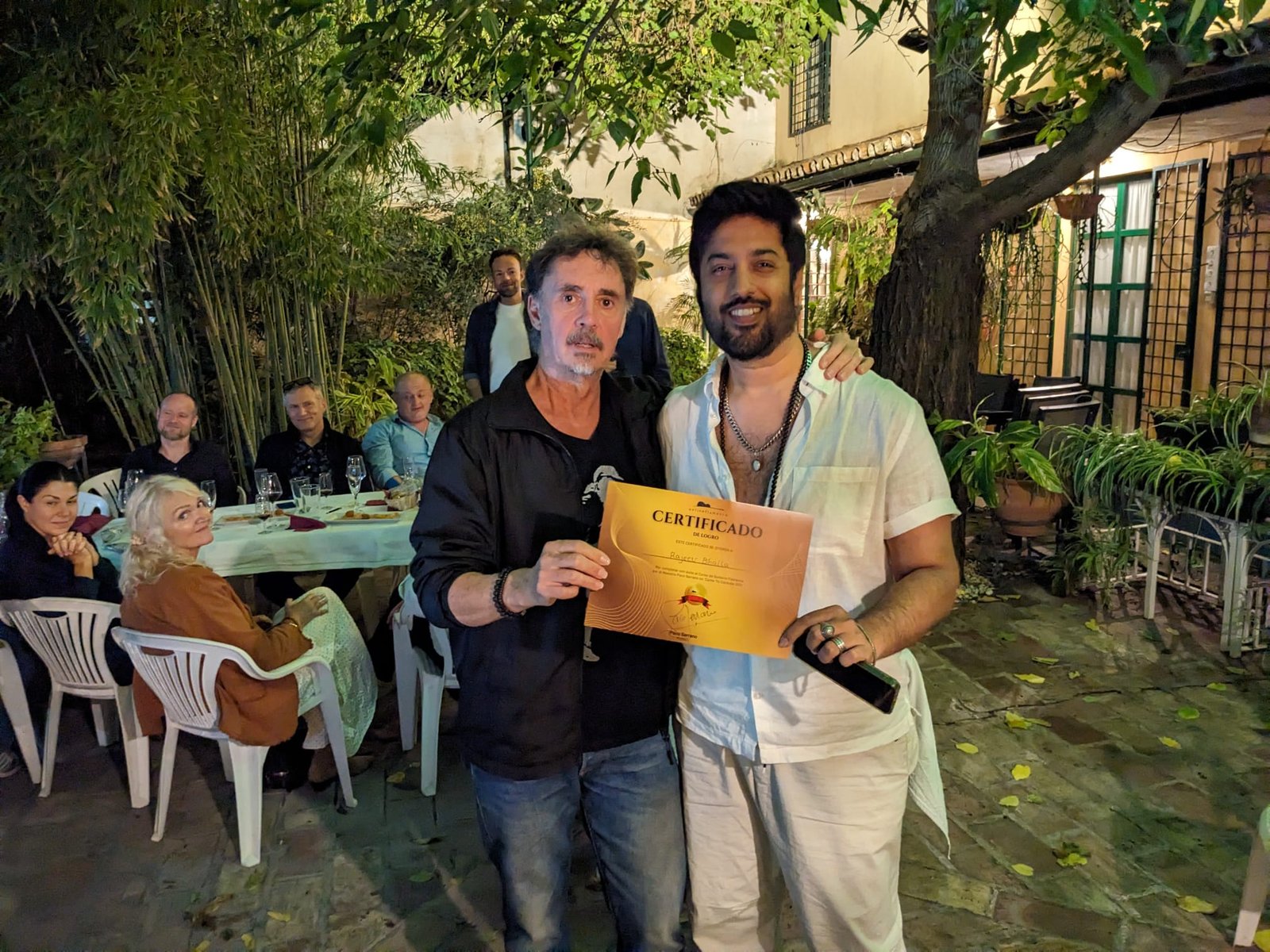
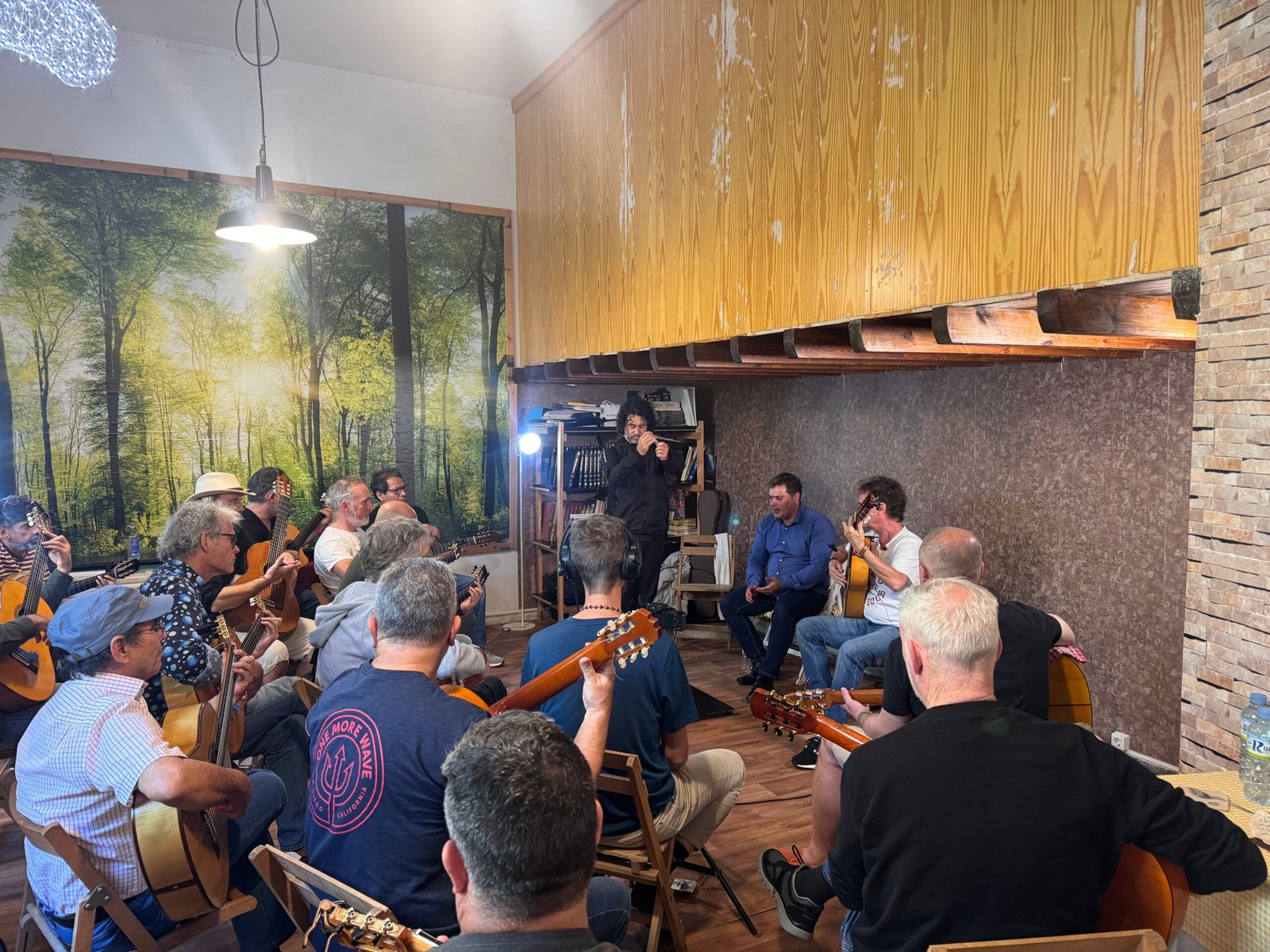
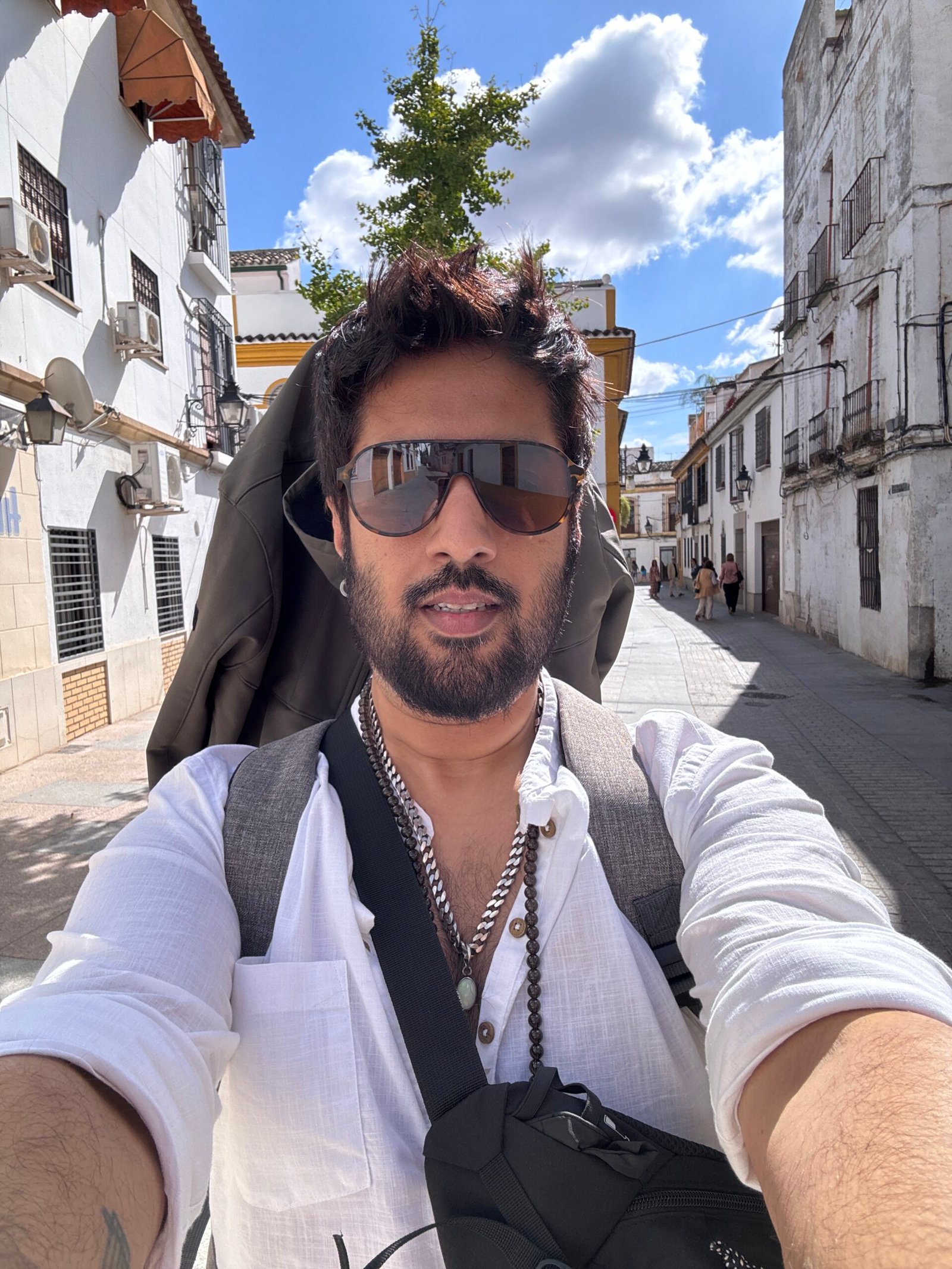
Some musical journeys are about learning an instrument; others become a journey into yourself. In Córdoba, Andalusia, I had the privilege of learning flamenco guitar in person with Maestro Paco Serrano, one of the most respected flamenco guitarists and teachers of his generation. Being there, in the heart of Andalucía, and learning the language of flamenco directly from a maestro was a deeply soul-filling experience. I spent my days learning falsetas, compás and the vocabulary of flamenco guitar, while experiencing the music beyond the classroom—playing alongside singers and dancers, visiting traditional tablaos, listening to live performances and immersing myself in the culture that gave birth to this extraordinary art form. What stayed with me was not only the technique, but the feeling behind the music—the relationship between guitar, voice, rhythm and movement, and the way flamenco can communicate emotion without needing translation. Along the way, I met musicians, artists and fellow students from different parts of the world. Conversations, jam sessions, shared meals and evenings around music turned strangers into friends and made the journey as meaningful as the learning itself. Córdoba reminded me that learning music is not only about acquiring new skills; sometimes, it is about stepping into another culture, listening deeply, and allowing it to change the way you hear and feel. I returned from Andalucía with new falsetas in my fingers, new friendships in my heart, and a deeper connection to the universal language of music.